

The Tampa Bay Buccaneers' 2023 draft class now stands at a pivotal juncture, entering the final year of their initial rookie contracts. This marks a critical period for players seeking long-term financial security and for the Buccaneers' front office as it navigates future roster construction, cap allocations, and the retention of homegrown talent. The upcoming season will serve as a definitive evaluation for many of these players, influencing key decisions that will shape the team's foundation for years to come.
The 2023 Class's Journey to a Proving Ground
The 2023 draft class arrived in Tampa Bay with significant expectations, particularly the top selections. Defensive tackle Calijah Kancey, the first-round pick, has displayed flashes of elite interior pass-rushing ability, developing into a disruptive force in the trenches. Second-round offensive lineman Cody Mauch has been a foundational piece, providing versatility and stability along the offensive front, whether at guard or tackle. Third-round edge rusher YaYa Diaby quickly established himself as a high-motor player with a knack for making impactful plays, solidifying his role in the defensive rotation.
Beyond the early picks, players like wide tight end Payne Durham and linebacker SirVocea Dennis had multiple opportunities to step in and make an impact, contributing on offense, defense, and special teams. Their collective journey has seen them evolve from rookies to established contributors, and now, they face their most financially significant season.
Neither Dennis nor Durham are in line to be starters entering the final year of their contracts. So, they'll have to make a more a challenging road ahead to secure a future in Tampa.
Roster and Cap Implications for the Buccaneers
The Buccaneers' decision-makers face complex choices regarding this class. Retaining key contributors from the 2023 draft means substantial financial commitments that directly affect future salary cap flexibility. Kancey's trajectory places him among the league's top young defensive tackles, making him a prime candidate for a lucrative extension, potentially even before the season concludes. His ability to consistently generate pressure is a premium commodity, and locking him up would secure a cornerstone of the defensive line. Mauch's reliability and versatility on the offensive line make him equally valuable for continuity and protection, and he would command a significant investment to maintain stability up front. Diaby's continued development as an edge rusher would also put him in line for a significant deal, as consistent pressure on opposing quarterbacks remains a top priority. These players' 2026 performance will directly inform their market value and the Buccaneers' willingness to spend.
Strategic Decisions Ahead for the Front Office
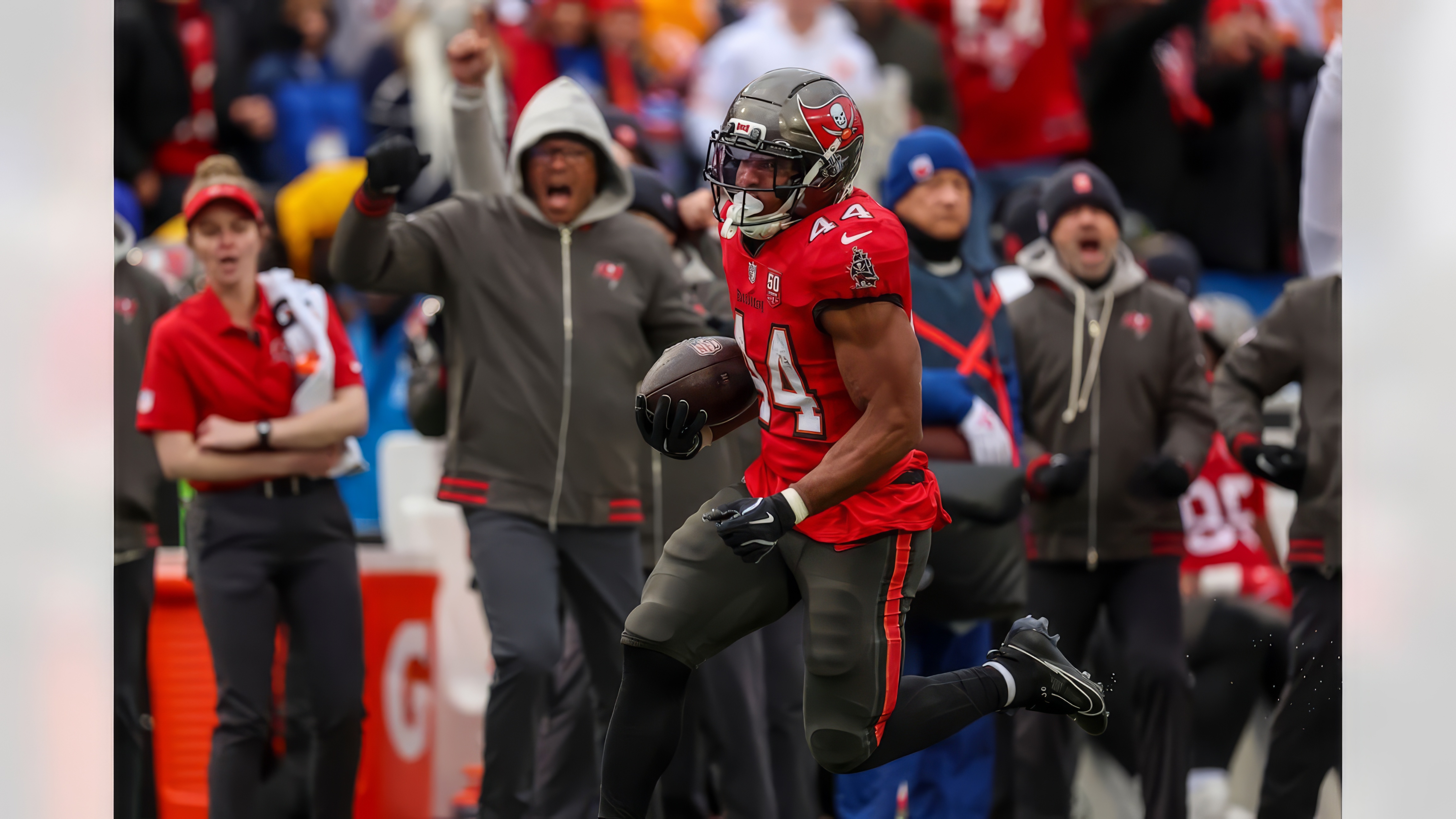
The upcoming season transforms into an extended evaluation period for General Manager Jason Licht and the coaching staff. For players like Kancey, early extension talks might be a priority to avoid an inflated market price next offseason, assuming his performance warrants it. For others, the front office will closely monitor their consistency, durability, and overall impact throughout 2026.
Balancing rewarding deserving players with maintaining cap health is delicate. Extending multiple players from one class requires careful financial planning, potentially influencing future free agency pursuits or draft strategies. The team must weigh the certainty of retaining known commodities against the flexibility to acquire new talent. A Defining Season for Tampa Bay's Future
The 2026 season represents more than just another year of football for the Tampa Bay Buccaneers; it is a defining period for a key segment of their roster. The performance of the 2023 draft class will not only dictate their individual futures in the NFL but also significantly influence the Buccaneers' financial landscape and competitive outlook for the foreseeable future.